
Free Quote
If you’ve ever stood in your backyard on a Sunday arvo, coffee going cold in your hand, staring at a retaining wall that’s slowly leaning like it’s had one too many at the pub, you already know the Northern Beaches lifestyle. Sand, salt, sandstone and a whole lot of ambition — that’s what we’re working with out here.
Between Manly and Palm Beach, the soil changes character every few suburbs. Sandy, free-draining ground near the coast. Heavy clay pockets further inland. Bushland blocks with root systems that have opinions about where your new turf goes. It’s a beautiful part of Sydney to live in, but it’s not always a beautiful part of Sydney to garden in — and that’s exactly why so many locals end up searching for gardening services Northern Beaches residents can actually trust, rather than just Googling a YouTube tutorial and hoping for the best.
We’re Northern Beaches Garden & Trees, and we’ve spent years elbow-deep in this exact soil, on this exact coastline, fixing the exact same problems. This isn’t a generic “top tips” blog recycled from a template. It’s what we’ve actually learned from doing the work — landscaping, turf laying, retaining walls, paving, and everything green in between — on properties from Freshwater to Terrey Hills.
Grab a cuppa. This one’s a decent read, but it’ll save you a decent headache.
The Northern Beaches Garden Problem Nobody Warns You About
Most garden advice you’ll find online is written for someone in Melbourne with loamy soil and gentle rainfall. That’s not us. Here, your garden has to cope with:
- Salt-laden coastal winds that scorch leaves and dry out garden beds faster than you’d think
- Sandy soil near the beachfront suburbs that drains so fast, water (and nutrients) barely stick around
- Steep, sloped blocks across places like Bayview, Elanora Heights and Beacon Hill, where erosion is a constant battle
- Established native root systems that make digging, planting or laying turf a genuine workout
- Council tree rules that are stricter than most people expect, especially around bushfire-prone land and environmental zones
None of that means your garden’s a lost cause. It just means cookie-cutter advice doesn’t cut it, and neither does hiring someone who normally works on flat, has inland blocked with easy soil. This is a job for people who actually understand gardening Northern Beaches conditions specifically — which, handily, is what we do all day, every day.
Gardening Northern Beaches Homeowners Actually Want (Not Just Mow-and-Go)
There’s a big difference between a bloke with a whipper snipper and a proper gardening service that treats your yard like it’s worth doing properly. Regular maintenance out here isn’t just about keeping things tidy — it’s about keeping plants alive through a summer that can flip from balmy to brutal in a weekend.
Good garden maintenance on the Northern Beaches usually covers:
- Seasonal pruning timed around our mild winters and humid summers, not some generic calendar
- Soil conditioning to help sandy or clay-heavy ground actually hold moisture and nutrients
- Mulching to protect root systems from wind-driven salt and moisture loss
- Weed and pest control suited to coastal conditions, where certain weeds spread like they own the place
- Garden bed redesigns for properties that have “grown wild” since the last owner moved out
We get a lot of calls from people who’ve just bought a place with a garden that hasn’t seen a professional in years — sound familiar? Half the fun of a garden overhaul is watching a jungle turn back into an actual yard within a week or two.
Landscaping Northern Beaches Blocks: Working With the Land, Not Against It
This is where things get genuinely interesting, because Northern Beaches blocks are rarely flat, rarely simple, and almost never boring. Good landscaping here means reading the block before you touch a single spade of dirt.
A landscape redesign that works with the natural slope, existing trees and coastal exposure will always outlast one that fights it. We’re talking about:
- Terracing steep yards so they’re usable instead of just a hill you mow at an angle and pray
- Choosing plant varieties that actually tolerate salt spray, wind and sandy soil (hydrangeas might look gorgeous in the display photo, but they’ll sulk within a season if planted in the wrong spot)
- Designing drainage into the plan from day one, not as an afterthought once the first storm turns your new garden bed into a small creek
- Balancing native bushland character with a more manicured, liveable feel — because most Northern Beaches homeowners want both, not one or the other
A proper landscaping job isn’t just “does it look good on install day” — it’s “does it still look good in three years.” That’s the difference between a quick makeover and an actual investment in your property.
Turf Laying Northern Beaches Style: Why Half of DIY Lawns Fail Within a Month
Ah, turf. The classic weekend project that looks so easy in the ads. Roll it out, water it, done — except most DIY turf jobs on the Northern Beaches fail within weeks because of one overlooked detail: soil prep.
Sandy coastal soil drains too fast for new turf roots to establish properly without the right base layer. Meanwhile, clay-heavy pockets further from the coast can pool water and drown fresh turf before it’s had a chance to root. Turf laying done properly means:
- Correct soil levelling and compaction before a single roll goes down
- Choosing turf varieties suited to sun exposure, foot traffic and salt tolerance (buffalo varieties tend to handle coastal conditions well, but it depends heavily on your specific block)
- A watering and rolling schedule for the first few weeks that most homeowners don’t realise is non-negotiable
- Proper edge finishing so your new lawn doesn’t look like a green rug dropped onto brown dirt
We’ve re-laid more “DIY gone wrong” lawns than we can count. There’s no shame in it — turf is genuinely trickier than it looks, especially on this coastline.
Retaining Walls Northern Beaches Properties Actually Need (Not Just Want)
Here’s an uncomfortable truth: on a lot of Northern Beaches blocks, a retaining wall isn’t a nice-to-have design feature. It’s structural insurance against your backyard sliding somewhere it shouldn’t.
With so many sloped and elevated properties across suburbs like Avalon, Newport, Frenchs Forest and Terrey Hills, erosion control matters more here than in most parts of Sydney. A well-built retaining wall does a few critical jobs:
- Holds back soil movement during heavy rain events (and Sydney’s had a few doozies lately)
- Creates usable, level garden space out of an otherwise unusable slope
- Protects foundations, driveways and neighbouring properties from erosion damage
- Adds genuine street appeal and resale value when built with quality materials like timber sleepers, sandstone block, or engineered concrete
The biggest mistake we see is a wall built without proper drainage behind it. Water builds up, pressure increases, and eventually the wall bows or fails altogether — usually at the worst possible time, mid-downpour, at 11pm on a Tuesday. Getting the drainage right the first time saves an enormous amount of pain (and cost) later.
Paving Services Northern Beaches Homes Are Falling in Love With
Paving is the unsung hero of a good outdoor space. It’s the bit that ties your garden, your entertaining area and your driveway together — and on the Northern Beaches, it also has to survive salt air, shifting sandy soil and the occasional king tide of a storm.
Our paving work typically covers:
- Driveways and pathways that handle coastal salt exposure without cracking or discolouring prematurely
- Alfresco and entertaining areas designed around how Northern Beaches families actually use their outdoor space (hint: a lot of barbecues, a lot of visiting cousins)
- Pool surrounds using slip-resistant paving suited to bare feet and wet conditions
- Natural stone, concrete pavers or exposed aggregate, depending on budget and the overall look you’re chasing
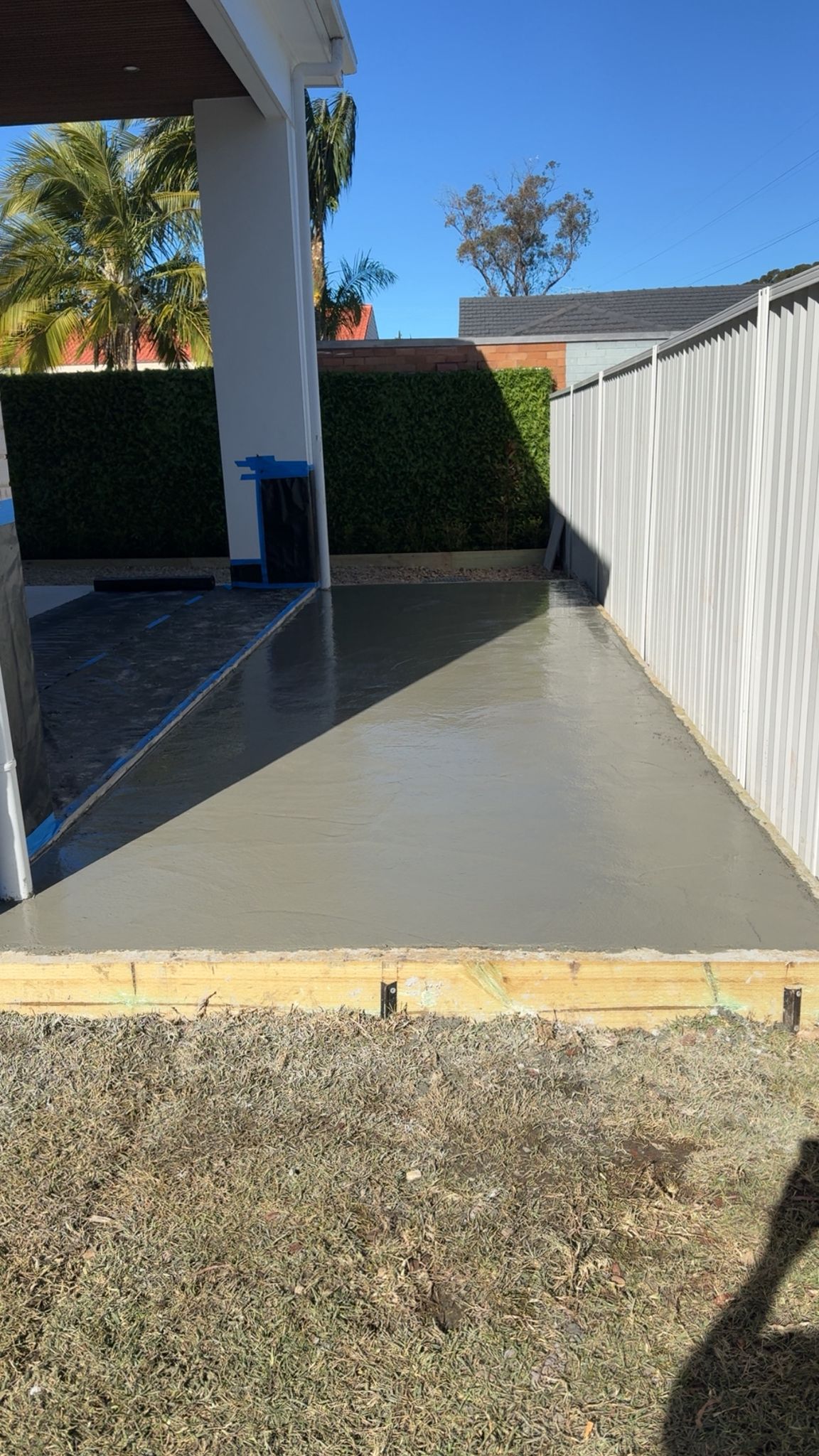
Good paving isn’t just laid — it’s properly bedded, levelled and jointed so it doesn’t shift, sink or crack within the first year or two. We see plenty of “bargain” paving jobs that end up needing a full redo within a couple of years, which ends up costing more than doing it properly from the start.
The Council Question Nobody Enjoys Asking (But Should)
If your project involves an established tree, a significant retaining wall, or work close to a boundary, there’s a good chance Northern Beaches Council has something to say about it. Tree preservation rules here are genuinely stricter than a lot of people expect, particularly for trees over a certain trunk diameter, protected native species, or anything sitting in a bushfire-prone or environmental zone.
We’re not here to lecture you about red tape — nobody enjoys that conversation. But getting it wrong can mean fines, delays, or having to undo work that’s already been done. Part of doing this job properly, whether it’s landscaping, turf, or a new retaining wall near a mature tree, is knowing when council approval needs to be part of the plan from day one, not an afterthought.
Real Jobs, Real Backyards: Have a Look Around
Reading about garden transformations is one thing — seeing them is another. We’ve documented plenty of our landscaping, turf, retaining wall and paving projects from across the Northern Beaches in our project gallery, if you’d like some inspiration (or just want to see what “before and after” actually looks like around here, rather than in a glossy overseas renovation show).
We also regularly share seasonal tips, local know-how and the occasional cautionary tale over on our blog, if you’re keen to keep learning before you commit to a project.
Frequently Asked Questions
How much does landscaping cost on the Northern Beaches? It varies enormously depending on block size, slope, existing vegetation and the scope of work — a simple garden refresh is a very different job to a full slope terracing project. The best approach is a site visit and a proper quote rather than a guess based on a generic price list.
Do I need council approval for a retaining wall? Often, yes, particularly for walls over a certain height or those near boundaries and protected trees. It’s always worth checking before work begins, since a compliant wall now is far cheaper than a non-compliant one later.
What’s the best turf for coastal, sandy soil? Buffalo varieties generally cope well with Northern Beaches conditions thanks to their tolerance for salt exposure and lower water needs, though the right choice always depends on your specific sun, shade and soil situation.
How often should Northern Beaches gardens be maintained? Most established gardens do well with a regular seasonal schedule rather than one-off visits, particularly given how quickly coastal wind and salt exposure can affect plant health between visits.
Can you fix a DIY paving or turf job that’s gone wrong? Yes, this is more common than people expect. Whether it’s turf that never established properly or paving that’s cracked or shifted, most jobs can be reworked without starting completely from scratch, depending on the extent of the damage.
Do you service all Northern Beaches suburbs? We work across the Northern Beaches and North Shore, from coastal suburbs through to the more bushland-heavy blocks further inland.
Ready to Stop Fighting Your Backyard?
Whatever’s going on out there — a lawn that won’t take, a wall that’s leaning, a garden that’s given up, or a paved area that’s seen better days — it’s rarely a lost cause. It’s usually just a matter of doing the groundwork properly the first time.
If you’re ready to have an actual conversation about your project rather than another guessing game, get in touch with our team through our contact page for a free quote. Or head back to our homepage to see the full range of what Northern Beaches Garden & Trees can help with.
Your backyard’s not being difficult on purpose. It just needs someone who actually understands this coastline.