
Free Quote
The honest, no-fluff guide to garden maintenance, landscaping, turf, retaining walls, and paving on Sydney’s Northern Beaches.
Let’s be real for a second. You moved to the Northern Beaches — or you’ve lived here your whole life — partly because of the lifestyle. The ocean, the bush, the easy Saturday arvo vibe. But then you look out the back window and see a patchy lawn, a crumbling retaining wall slowly eating your garden bed, and a patio that looks like it hasn’t been touched since the Sydney 2000 Olympics.
Sound familiar? You’re not alone.
Whether you’re in Manly, Collaroy, Narrabeen, Avalon, Dee Why, or anywhere between Palm Beach and Brookvale, the Northern Beaches climate is absolutely stunning — and absolutely brutal on outdoor spaces. Salt air, sandy soils, fierce UV, and those Sydney summer storms that drop half a year’s rainfall in a weekend don’t exactly make life easy for your garden.
That’s why professional outdoor care isn’t a luxury here. It’s practically a survival strategy.
This guide covers everything: why garden maintenance in Sydney matters more than most people think, what proper garden landscaping on the Northern Beaches actually involves, how artificial turf installation in Sydney has quietly become one of the smartest upgrades a homeowner can make, when you need timber retaining walls, and why your patio paving on the Northern Beaches deserves more than a weekend DIY attempt and a prayer.
We’ll also walk you through how the professionals at Northern Beaches Garden & Trees handle all of it — and why locals keep coming back.
Why Garden Maintenance in Sydney Is Not Optional (Especially Up Here)
There’s a myth that if you live near the coast, nature just handles itself. Birds, bees, lush native plants — sorted, right?
Wrong. The Northern Beaches environment is actually one of the trickier spots in all of greater Sydney to maintain a healthy garden. Here’s why:
Salt spray from the ocean affects plants, soils, and even hard surfaces within kilometres of the coastline. Leaves curl. Metals corrode. Certain plant varieties simply won’t survive without the right selection and care.
Sandy soils — particularly common across the Northern Beaches — drain fast, which means water and nutrients don’t stick around long. Without regular fertilising, mulching, and soil conditioning, even a healthy garden can go downhill surprisingly quickly.
Rapid growth periods in spring and summer mean lawns can go from neat to jungle in about three weeks. If you’ve ever come back from a two-week holiday to find your garden looks like the set of Jurassic Park, you know exactly what we’re talking about.
Bushfire risk is real in many Northern Beaches suburbs. Overgrown gardens aren’t just an eyesore — they’re a hazard. Regular pruning, hedge trimming, and garden clean-outs are part of responsible property ownership here.
The good news? Consistent garden maintenance is actually simpler and cheaper than emergency rescue jobs. A professional team visiting fortnightly or monthly can keep your outdoor space in genuine shape year-round — mowing, edging, weeding, pruning, fertilising, soil care, and seasonal tidy-ups included.
Northern Beaches Garden & Trees offer ongoing garden maintenance programs across the Northern Beaches and North Shore, tailored to how your specific property grows and what it actually needs. No cookie-cutter schedules. No sending a guy with a mower and calling it done.
What Does Professional Garden Landscaping Actually Look Like?
If “landscaping” in your head means a bloke with a bobcat digging things up for three weeks and charging you a fortune, fair enough — but it’s not the whole picture.
Good garden landscaping on the Northern Beaches is about transforming how your outdoor space functions and feels. It’s the difference between a yard you vaguely avoid and a space you actually want to use on a Wednesday evening.
Here’s what a proper landscaping service typically covers:
The Design Stage — Where Good Jobs Start
Before a single sod is turned, a professional landscaper should walk your property with you, talk about how you use (or want to use) the space, understand the existing drainage and soil conditions, and come up with a plan that makes structural and horticultural sense. Skipping this step is why DIY landscaping projects go sideways.
Soft Landscaping — The Living Stuff
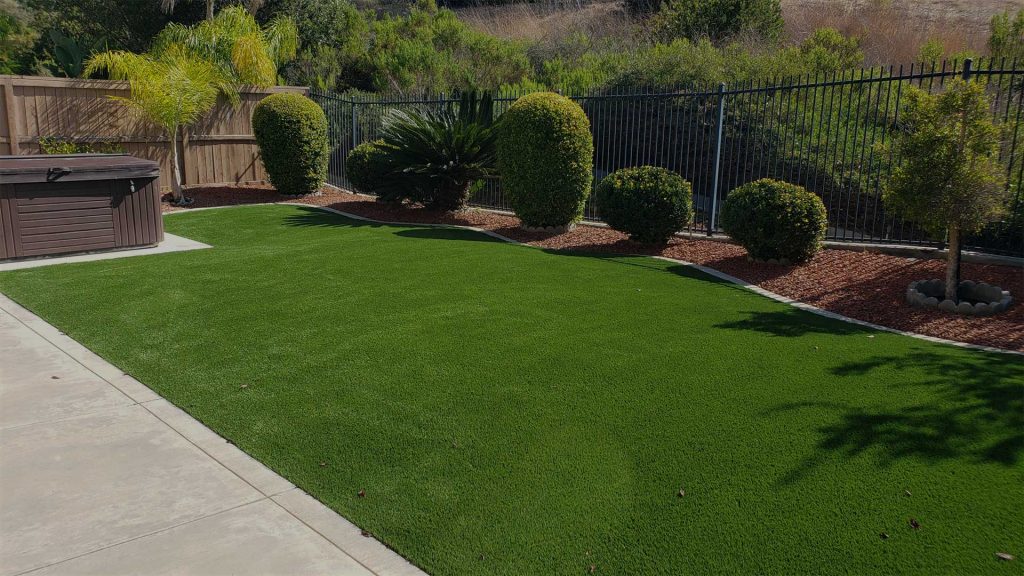
This covers planting design, garden bed creation, mulching, lawn installation (real or artificial), and selection of plants suited to your coastal microclimate. Native plants are increasingly popular on the Northern Beaches — and for good reason. They’re adapted to local conditions, support local wildlife, and are generally less water-hungry once established.
Hard Landscaping — The Bones of the Space
This is where things like retaining walls, paving, edging, and pathways come in. Done properly, hard landscaping gives your garden structure, improves drainage, and dramatically increases the usable area of your property — especially on the sloping blocks that are so common across the Northern Beaches.
Want to see what genuinely good work looks like before committing? The project portfolio is worth a look — real before-and-after results from local properties.
The full landscaping service page breaks down how the team at Aarons approaches residential and commercial projects, from compact courtyard makeovers to complete property transformations.
Artificial Turf Installation in Sydney: Who’s It Actually For?
Let’s settle the artificial turf debate once and for all — because there are a lot of opinions out there, and most of them are wrong in at least one direction.
Artificial turf is not just for lazy people who hate gardening. And it’s also not the magical zero-effort solution some installers make it sound like.
Here’s the honest version:
Who Should Seriously Consider Artificial Turf?
Families with kids and dogs. Real grass on the Northern Beaches — with its sandy, free-draining soil — gets absolutely hammered by heavy foot traffic. You end up with bare patches, mud, and a lawn that looks like a dirt bike track by mid-summer. A quality synthetic turf installation holds up to all of that, stays green, and stays clean.
People with shaded or difficult patches. North-facing yards do fine with natural grass. But that south-facing side passage or the patch under the big fig tree? Natural turf struggles there. Artificial grass thrives.
Water-conscious homeowners. Sydney water restrictions aren’t going away, and most local councils are encouraging water-wise landscaping. A synthetic lawn uses zero irrigation water once installed.
Anyone who travels regularly. You can’t take your lawn on holiday with you. Artificial turf doesn’t care if you’re gone for three weeks.
The Installation Process — What Actually Happens
This is where quality really separates the pros from the cowboys. A proper turf installation isn’t just rolling out some green carpet. It involves:
- Site preparation — removing existing lawn, weeds, and debris, then excavating to the right depth (usually 75–100mm on Northern Beaches sandy soils)
- Base layer installation — a compacted road base or decomposed granite layer that provides stability and drainage
- Weed membrane — essential in humid coastal conditions to prevent anything pushing up through the turf
- Infill sand layer — levelled precisely to ensure no pooling or uneven surface
- Turf laying — rolled out carefully, seams aligned away from primary sightlines, secured at edges
- Trimming and brushing — cutting to shape and brushing the fibres upright so it looks natural
A well-installed artificial lawn in Sydney should last 15–20 years. A badly installed one will lift at the edges, pool water, and look terrible within two years. The difference is almost entirely in the base preparation — which is exactly where cheap jobs cut corners.
Explore the turf laying service to understand how Aarons approaches both natural and synthetic turf, and what goes into getting it right on Northern Beaches soil specifically.
Timber Retaining Walls in Sydney: When You Need One, and How to Do It Right
Here’s a fun fact about the Northern Beaches: a huge proportion of residential blocks are sloped. That might be great for views, but it’s terrible for usable garden space — and it creates serious drainage headaches if it’s not managed properly.
Retaining walls are the solution. And if you’ve been putting it off because you think it’s a massive, complicated job, here’s the reality check: ignoring a failing or absent retaining wall costs significantly more in the long run. Soil movement, erosion, flooding, damage to structures — all of it compounds.
Why Timber for Retaining Walls?
Timber retaining walls — typically hardwood sleepers or treated pine — are one of the most popular choices for residential gardens in Sydney, and for good reason:
They look great. Timber has a warmth that concrete blocks simply can’t match. In a garden setting, a well-built timber sleeper wall just belongs. It ages gracefully and works with almost any planting style.
They’re cost-effective. For walls under about 1 metre, quality timber is often the most economical material without sacrificing durability.
They’re versatile. Curved walls, terraced gardens, raised planting beds — timber can be shaped and configured in ways that rigid materials can’t.
They suit the coastal aesthetic. There’s a reason virtually every coastal garden on the Northern Beaches looks better with natural materials. Timber retaining walls complement the beachy, relaxed style that defines this area.
What the Process Looks Like
A professional timber retaining wall installation involves more than digging a trench and sinking some posts:
Site assessment — Understanding the soil type, slope angle, what’s above and below the proposed wall (structures, trees, drainage paths), and what load the wall will need to handle.
Engineering and drainage design — Walls over 600mm typically need council consideration. Drainage is critical: a wall with no drainage behind it will fail, usually in dramatic fashion during a heavy rain event. Agricultural drainage pipes, drainage aggregate, and weep holes are essential components.
Post installation — Hardwood or treated pine posts are concreted to depth. The depth matters enormously — shallow posts mean a wall that leans within a few years.
Sleeper fixing — Sleepers are fixed horizontally in courses, properly bolted or spiked to posts. Joints are staggered for strength.
Backfill and compaction — Done in layers, properly compacted to prevent settlement.
The retaining walls service page gives a clearer picture of the approach and what makes a genuinely durable wall versus one that’ll need replacing in five years.
When Do You Actually Need a Retaining Wall?
- Your block has a slope and the soil is starting to erode or shift
- You have an existing timber wall that’s leaning, cracking, or rotting
- You want to create usable flat areas (terraces, patio zones, garden beds) from a sloped section
- Water is pooling near your house after rain
- You’re creating a raised garden bed that needs structural support
If any of those apply to you, get a professional on-site assessment. It’s free, and it’ll tell you exactly what you’re dealing with.
Patio Paving on the Northern Beaches: The Upgrade That Changes How You Live Outdoors
Here’s a genuine observation: nothing transforms how a Sydney household actually uses its outdoor space quite like good paving.
An entertaining area with quality pavers goes from “we technically have a backyard” to “this is where we spend our weekends.” The cooking, the drinks, the kids playing, the Sunday morning coffee — all of it migrates outside when the surface is right.
What Makes Paving on the Northern Beaches Different?
The coastal environment means some additional considerations that you won’t encounter in, say, Parramatta:
Salt and moisture resistance — Not all pavers are equal when it comes to coastal exposure. Sandstone, basalt, and quality porcelain pavers all perform well. Cheaper materials can flake, discolour, or degrade faster near the coast.
Drainage slope — Sydney storms are intense. Paved areas need precise falls (drainage gradients) built into the design so water runs where it’s supposed to, not back toward your house or your neighbour’s.
Sub-base preparation — Sandy soils can shift. A properly prepared compacted base is non-negotiable for a paved area that stays level and doesn’t crack or sink.
Slip resistance — With morning dew, rain, and the general dampness that comes with coastal living, textured or grip-rated pavers are worth the consideration for safety.
The Paving Process — Step by Step
Design and layout — Pattern choices, paver selection, edge treatments, and setting out the drainage falls. Good paving design doesn’t just look nice in isolation; it should complement the rest of your garden and the architecture of your home.
Excavation and sub-base — Removing existing material to the correct depth and installing a compacted road base layer.
Sand bedding layer — Screeded level (with appropriate falls) to receive the pavers.
Laying — Pavers are set in pattern, consistently spaced, and checked constantly for level and alignment.
Cutting — Edge cuts around garden beds, walls, and curved elements require skill and proper equipment.
Jointing — Joints filled with either polymeric sand (which locks solid and resists weeds) or pointing mortar depending on the paver type.
Sealing (optional but recommended near the coast) — A quality sealant protects the surface from salt, staining, and UV fade.
The paving service covers the full range of what’s available — from simple pathway paving through to large outdoor entertaining areas and alfresco surrounds.
How It All Comes Together: The Full-Service Difference
Here’s where the conversation shifts from “which individual service do I need” to “how do I get an outdoor space that actually works as a whole.”
The honest answer is: most good garden transformations on the Northern Beaches involve multiple disciplines working together. A new patio area needs drainage that connects to your retaining wall design. Your artificial lawn needs to meet your paving edge cleanly. Your garden beds need soil prep that works with your irrigation.
When you use a team that can handle the full range of garden and landscaping services under one roof, you get:
Consistent quality across every element. No finger-pointing between subcontractors when the paving meets the turf edge awkwardly.
Better design outcomes. Each component is designed with the others in mind from the start.
Simpler project management. One point of contact, one schedule, one accountability.
Long-term maintenance continuity. The same team that built your garden can look after it. They already know its quirks, the plants they selected, and how the drainage behaves.
Choosing the Right Garden and Landscaping Company in Northern Beaches
The Northern Beaches has no shortage of people offering garden services. Gumtree, Facebook Marketplace, and the flyer shoved under your windscreen wiper at the shops — the options are everywhere.
Here’s what to actually look for:
Local knowledge. Do they understand the coastal soil conditions, the relevant council areas (Northern Beaches Council requirements are specific), and the salt spray challenges? Someone based in Penrith might be great — but they’re not thinking about your coastal microclimate.
Proper references and a portfolio. Ask to see work. Real photos of real local projects. Completed work from the local area tells you far more than any brochure.
Insurance and licensing. For structural work like retaining walls, you want a licensed contractor. No licence, no deal.
Honest quoting. A professional quote should tell you exactly what’s included, what materials are being used, and what the timeline looks like. Vague quotes lead to nasty surprises.
Communication. This sounds obvious, but it’s genuinely rare. Do they call back? Do they show up for quotes on time? Do they explain what they’re doing and why? That’s what the whole job will feel like.
Quick Reference: Common Questions Answered
How often does a Northern Beaches garden need professional maintenance? For most residential properties, a fortnightly or monthly visit keeps things properly managed. Properties with extensive planting, fast-growing hedges, or high presentation requirements may need weekly attention in peak growing season.
Is artificial turf really low maintenance? Mostly, yes — but it’s not zero maintenance. Periodic brushing to keep the fibres upright, rinsing to remove salt residue and debris, and the occasional check of edges and joins. Compared to natural lawn, it’s dramatically less work.
How long does a retaining wall take to build? A single-run timber sleeper wall at garden scale typically takes three to four days for a professional crew. Larger, engineered projects can run one to two weeks.
Do I need council approval for paving? Usually not for straightforward paving within your property, but drainage compliance is important, and certain heritage areas or foreshore zones have additional restrictions. Your landscaping company should advise on this.
Can one company handle all of this? Yes — and that’s the ideal scenario. Head to the main services page to see what A & A Aarons covers across the Northern Beaches and North Shore.
The Bottom Line
Living on the Northern Beaches is genuinely one of the great privileges of Sydney life. But it doesn’t automatically mean your garden looks the part — the coastal environment demands a bit more thought, skill, and consistency than most people expect when they move here.
The good news is that the same factors that make this environment challenging also make it spectacular. Get the structure right — good paving, solid retaining walls, proper turf — and then maintain it consistently, and you end up with an outdoor space that suits the lifestyle this part of Sydney is famous for.
Done properly, your garden isn’t a chore. It’s the reason people want to come over on a Saturday.
Ready to get started? Northern Beaches Garden & Trees has been servicing the Northern Beaches and North Shore for years. Get in touch for a no-obligation assessment of your property — and find out what your outdoor space could actually look like.